Seasonal Waterproofing Tips: Prepare Your Home for Rain and Freeze Cycles
When the weather shifts from gentle rain to biting cold, your home faces a double threat. Water seeps in where it shouldn’t, and ice can turn tiny cracks into costly disasters. Homeowners know: the time to act is before the storm clouds gather or the frost bites.
At A-Action Waterproofing, we’ve seen firsthand how seasonal changes test every inch of a home’s defenses. With the right steps—and a little know-how—you can shield your space from water intrusion, mold, and foundation headaches. Let’s break it down, season by season.
Understanding Seasonal Risks 🌧️❄️
Rain and freeze cycles are nature’s stress tests for your home. Heavy rain can overwhelm gutters, saturate soil, and find its way through the smallest foundation cracks. When temperatures drop, that water freezes, expands, and widens existing gaps. Over time, this cycle erodes your home’s defenses.
- Rainy Season: Think of water like a determined guest—it looks for any way in. Poor drainage, clogged gutters, and unsealed walls invite trouble.
- Freeze Cycles: Water trapped in cracks or porous surfaces freezes, expands, and pushes those gaps wider. According to the International Association of Certified Home Inspectors (InterNACHI), freeze-thaw cycles are a leading cause of foundation damage.
Ignoring these risks can lead to basement flooding, crawl space dampness, mold growth, and even structural issues. The good news? A little preparation goes a long way.
Pre-Rain Waterproofing Checklist
Before the first drop falls, set your home up for success. Here’s what to tackle:
- Clean Gutters and Downspouts: Remove leaves, sticks, and debris. Blocked gutters overflow, dumping water close to your foundation.
- Check Grading: The ground around your home should slope away, not toward, the walls. Even a gentle slope helps direct water away.
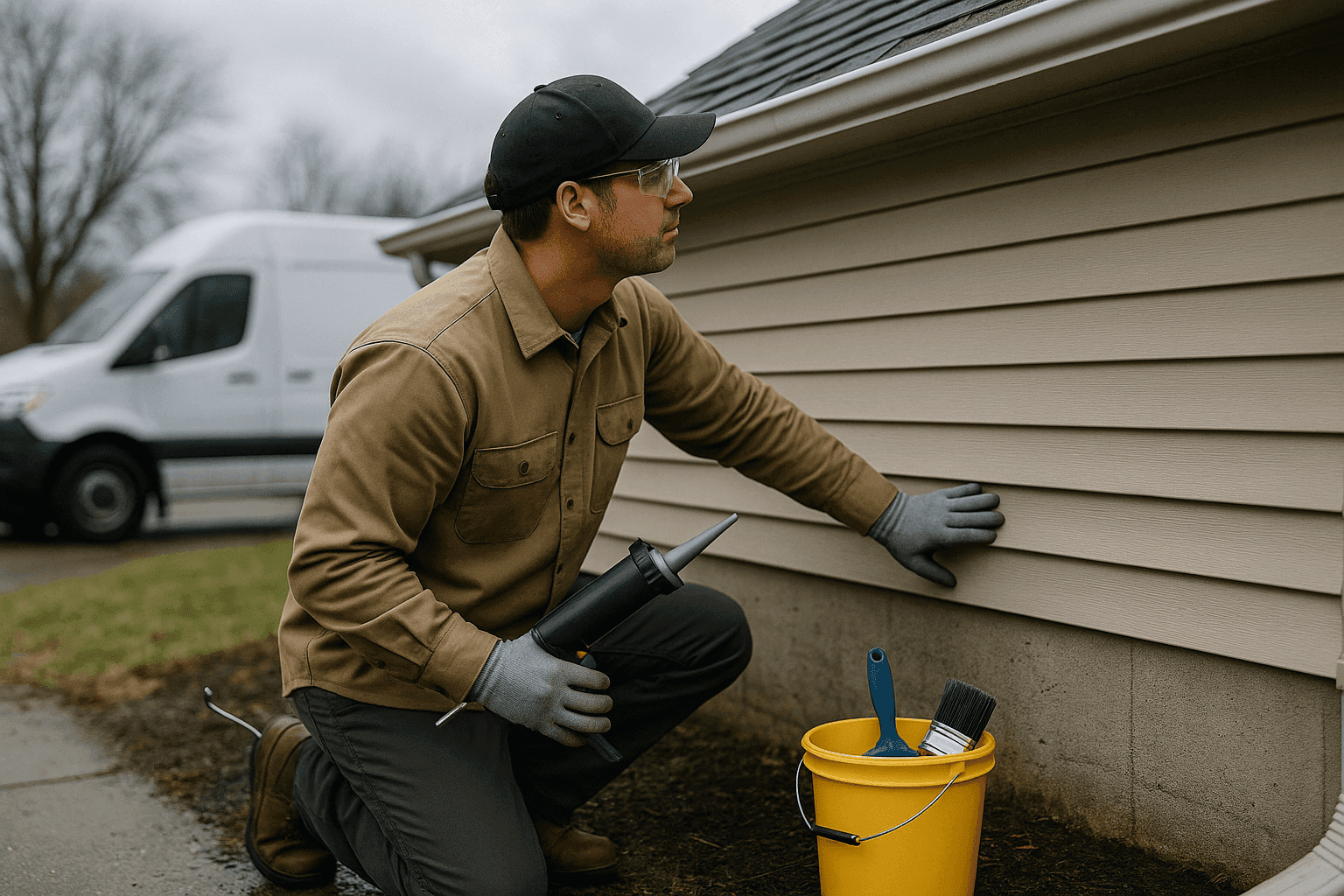
- Inspect and Seal Exterior Walls: Look for cracks, gaps, or missing caulk. Use high-quality sealants approved by the International Code Council (ICC).
- Test Sump Pump: Pour water into the sump pit to make sure the pump activates and drains properly. Consider a battery backup for power outages.
- Examine Window Wells and Covers: Make sure they’re clear and in good shape to prevent leaks.
- Review French Drains and Drainage Systems: Ensure they’re free of blockages and channeling water as designed.
A few hours spent on these tasks can save days of cleanup and thousands in repairs.
Freeze Cycle Preparation
As temperatures dip, water’s sneaky power grows. Here’s how to keep the cold from making things worse:
- Insulate Pipes: Wrap exposed pipes in unheated areas (like crawl spaces) with pipe insulation to prevent freezing and bursting.
- Check Moisture Barriers: Crawl spaces and basements benefit from vapor barriers that keep ground moisture out. Look for tears or gaps.
- Seal Foundation Cracks: Even hairline cracks can widen with freeze-thaw cycles. Use epoxy or polyurethane foam for repairs, following ASTM standards for residential structures.
- Weatherstrip Doors and Windows: Keep cold air and moisture from sneaking in at ground level.
- Disconnect and Drain Outdoor Hoses: Prevent ice from backing up into indoor plumbing.
Remember, water expands when it freezes. Even the smallest oversight can turn into a big headache by spring.
Emergency Waterproofing Tips 🚨
Sometimes, despite your best efforts, water finds a way in. Here’s what to do if you spot leaks or flooding during a storm:
- Stay Safe: Never enter a flooded basement if electrical outlets or wiring are submerged. Shut off power at the main breaker if safe to do so.
- Act Fast: Use towels, wet/dry vacuums, or pumps to remove standing water. The longer water sits, the more damage it causes.
- Contain the Leak: Place buckets under drips and use plastic sheeting to direct water away from valuables.
- Document the Damage: Take photos for insurance and repair records.
- Call for Emergency Waterproofing: Some situations need quick, professional intervention—especially if water keeps coming or mold is a concern.
Quick action can mean the difference between a small repair and a major renovation.
Long-Term Maintenance Strategies
Waterproofing isn’t a “set it and forget it” job. Like changing your car’s oil, regular checkups keep everything running smoothly.
- Schedule Annual Inspections: Have a qualified contractor review your home’s waterproofing systems every year. The National Association of Home Builders (NAHB) recommends annual foundation and drainage checks.
- Maintain Gutters and Drains: Clean twice a year—spring and fall are best.
- Upgrade Aging Systems: Replace old sump pumps, cracked seals, or outdated drainage solutions before they fail.
- Monitor for Mold: Watch for musty odors or stains, especially in basements and crawl spaces.
- Plan for Repairs: Small fixes now prevent big bills later.
Avoid the common mistake of waiting for visible leaks—by then, damage is already done. Proactive care is always less expensive than emergency waterproofing.
Common Homeowner Mistakes to Avoid
- Ignoring Small Cracks: Even tiny gaps can invite water and pests.
- DIY Overconfidence: Some jobs (like foundation repair) require specialized tools and expertise.
- Skipping Regular Checks: Out of sight shouldn’t mean out of mind.
- Blocking Drainage Paths: Planting shrubs or piling mulch against the foundation can trap moisture.
Learning from others’ mistakes can save you time, money, and stress.
Why Professional Inspections Matter 🛠️
A trained eye can spot issues you might overlook. Waterproofing professionals use moisture meters, thermal cameras, and years of experience to identify hidden risks. They know building codes and best practices, ensuring repairs last.
According to the International Code Council, proper waterproofing is essential for a healthy, safe home. Don’t gamble with your investment—get it checked by someone who knows what to look for.
Frequently Asked Questions
How often should I check my basement for leaks?
Inspect your basement at least once each season, and after every major storm. Look for damp spots, water stains, or musty smells.
Can I waterproof my home myself?
Some tasks—like cleaning gutters or sealing small cracks—are DIY-friendly. However, foundation repairs, sump pump installation, and major drainage work are best left to professionals.
What’s the difference between waterproofing and damp proofing?
Waterproofing blocks liquid water and vapor, while damp proofing only resists moisture. For below-grade spaces (like basements), true waterproofing is recommended by the International Residential Code (IRC).
What should I do if I find mold?
Address leaks first, then remove mold using EPA-recommended methods. If mold covers more than 10 square feet or keeps returning, call a professional.
Special Considerations for Seasonal Waterproofing
- Older Homes: May lack modern moisture barriers or have settling foundations. Inspections are crucial.
- Finished Basements: Water damage can ruin drywall, flooring, and personal items. Protect these spaces with extra care.
- Crawl Spaces: Often overlooked, but vulnerable to moisture and mold. A vapor barrier and regular checks are key.
- Climate Variations: Some areas face longer wet or freeze seasons. Adjust your checklist accordingly.
Every home is unique, but the principles remain the same: keep water out, stay ahead of damage, and ask for help when you need it.
Don’t wait for the next rainstorm or deep freeze to put your home to the test. Call A-Action Waterproofing now — or reach us anytime at 844-484-8564 . Protect your home, your health, and your peace of mind.