How to Detect and Repair Water Leaks Before They Cause Damage
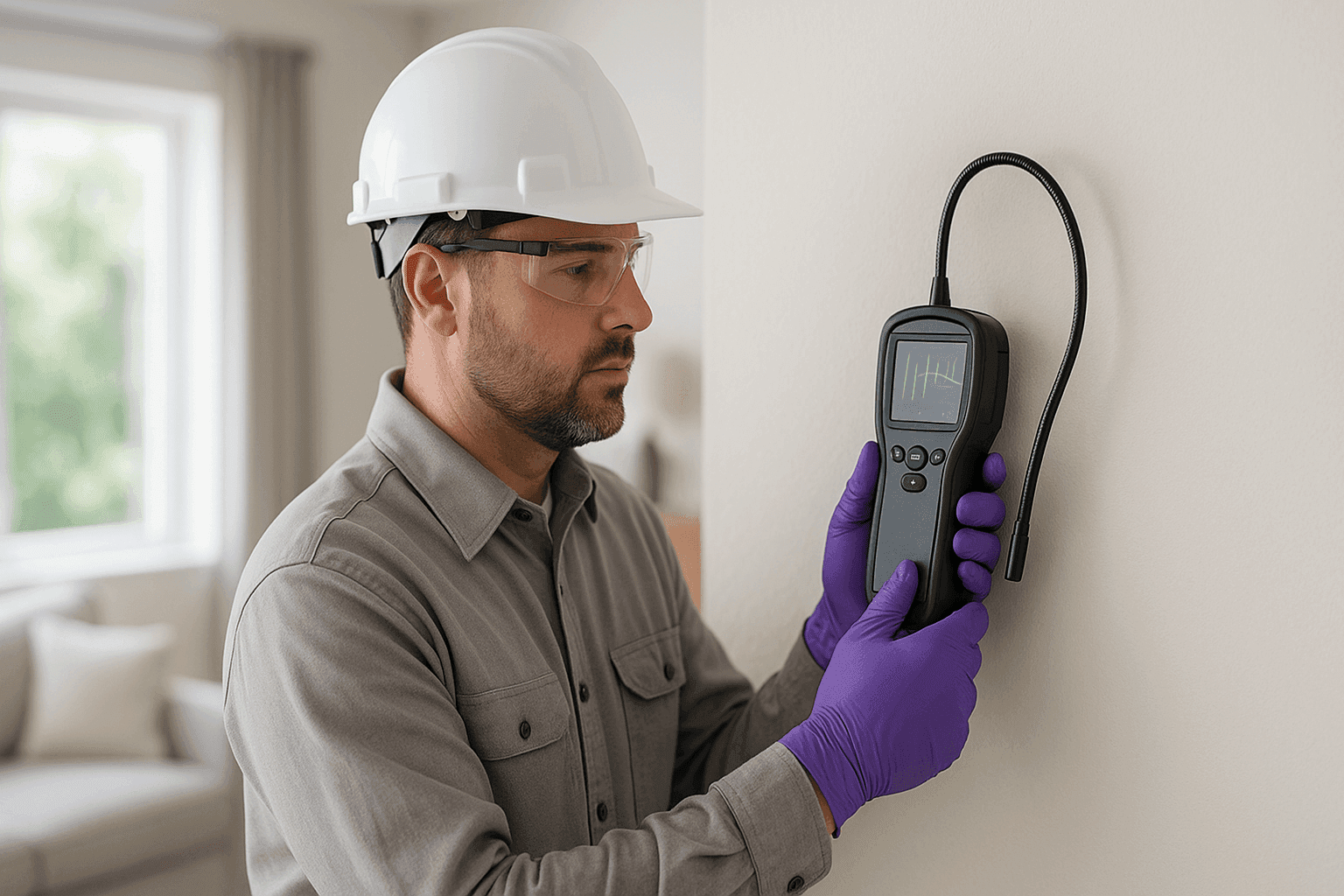
Everyone dreads that sinking feeling: a damp wall, a musty smell, or an unexpected puddle in the basement. Water leaks don’t just ruin your day; they can erode your property’s value and lead to lingering headaches like mold, rot, and costly repairs. At A-Action Waterproofing, we've seen how small drips can turn into major problems—often before you even notice.
Taking action early is the best insurance. This guide will help you spot leaks, understand what to do next, and know when to reach out for help with waterproofing system design near you.
Common Places Leaks Start 🚨
Water follows the path of least resistance. Unfortunately, that often means it finds its way into the weakest spots of your building. Here’s where leaks usually begin their hidden journey:
- Basements & Foundations: Cracks in concrete, gaps around pipes, and foundation walls are prime targets for water intrusion.
- Crawl Spaces: These low, often-forgotten spaces can collect moisture quickly, especially in humid climates or after heavy rain.
- Windows & Doors: Faulty seals, old caulking, or poor installation let water seep inside during storms.
- Roofs & Attics: Missing shingles, damaged flashing, or clogged gutters can let water in from above.
- Plumbing Penetrations: Pipes that run through walls and floors can become weak points if not sealed properly.
Leaks don’t always announce themselves right away. Sometimes, water takes a winding path behind walls or under floors before it shows up where you can see—or smell—it.
Warning Signs of Water Leaks
Not every leak is obvious. Some are as subtle as a shadow, others scream for attention. Keep an eye (and nose) out for these early warnings:
- Unexplained Stains: Yellow, brown, or gray spots on walls, ceilings, or floors signal moisture has been there before.
- Musty Smells: A damp, earthy odor hints at hidden mold or mildew, often a sign of chronic moisture.
- Visible Moisture: Puddles, drips, or condensation on windows are clear red flags.
- Peeling Paint or Bubbling Wallpaper: Paint and wallpaper react quickly to hidden dampness.
- Warped Wood or Sagging Floors: Water weakens wood, causing it to bend or buckle over time.
- Higher Utility Bills: Unexplained spikes in your water bill can mean a leak is wasting gallons you never see.
If you notice any of these, don’t ignore them. Quick action keeps a small problem from growing into a disaster.
DIY Leak Detection Techniques 🛠️
Before you call in a waterproofing contractor, there are simple ways to hunt down leaks yourself.
- Visual Inspections: Look under sinks, behind appliances, and in corners of basements or crawl spaces for damp spots or discoloration.
- Listen for Drips: In a quiet house, even the faintest drip can give away a hidden leak.
- Touch Test: Run your hand along suspect areas—baseboards, floors, or around windows. Dampness or cool spots may signal water intrusion.
- Use a Moisture Meter: Inexpensive moisture meters from hardware stores can measure humidity in walls and floors. Readings above 15% in wood or drywall could mean trouble.
- Monitor Humidity: Humidity consistently above 60% indoors can point to leaks or poor ventilation.
If you find moisture but can’t trace the source, don’t start tearing into walls. That’s when it’s time to bring in professionals.
Professional Leak Detection Tools and Services
Sometimes, leaks hide like a game of hide-and-seek. That’s when professional tools and experience matter.
- Thermal Imaging Cameras: These devices spot temperature changes in walls and ceilings, revealing areas where water is cooling the structure.
- Acoustic Listening Devices: Like a doctor’s stethoscope for your house, these amplifiers help pinpoint leaks inside pipes or behind walls.
- Tracer Gas Detection: Safe gases are introduced into plumbing, and detectors track where the gas (and leak) escapes.
- Moisture Mapping: Pros use specialized meters to chart moisture across large areas, identifying patterns you might miss.
You should call for professional waterproofing inspections if:
- The source of the leak is unclear.
- DIY efforts fail to resolve the issue.
- You notice structural changes like cracks, bowing walls, or foundation settling.
Waterproofing contractors, like A-Action Waterproofing, have the know-how and technology to get to the root of the problem and recommend the best fix—whether that’s crack repair, sump pump installation, or a full waterproofing system upgrade.
Steps to Take After a Leak is Found
So, you’ve found a leak. Now what? Move fast, but don’t panic. Here’s your action plan:
- Stop the Flow: If a plumbing leak is the culprit, shut off the water supply.
- Contain the Damage: Use towels, buckets, or even a wet/dry vacuum to collect standing water. Move belongings out of harm’s way.
- Ventilate: Open windows and doors. Run fans and dehumidifiers to speed up drying and reduce mold risk.
- Document the Damage: Take photos for insurance or your records.
- Call for Help: For anything beyond a dripping faucet, professional waterproofing repairs or leak detection near you might be needed.
- Prevent Future Issues: After repairs, consider upgrading your waterproofing system, adding moisture barriers, or scheduling routine waterproofing maintenance.
Practical Tips for Prevention and Maintenance 🧰
Preventing leaks is a marathon, not a sprint. Small steps add up to big protection:
- Inspect Gutters & Downspouts: Clean them twice a year to avoid clogs and overflow.
- Seal Windows & Doors: Re-caulk and weatherstrip every few years.
- Monitor Basement & Crawl Spaces: Check regularly for new cracks or signs of dampness.
- Grade Your Landscape: Make sure soil slopes away from your foundation.
- Test Sump Pumps: Pour water into the pit to be sure it’s working before rainy weather hits.
- Routine Waterproofing Inspections: Annual professional checks can spot problems before they escalate.
Following guidelines from the International Residential Code (IRC) and the American Society of Home Inspectors (ASHI) helps ensure your maintenance meets safety standards.
Costs and Time Factors
Leaks vary. So do repair times and costs. Here’s what can influence your investment:
- Leak Location: A plumbing leak inside a kitchen wall isn’t the same as a crack in your foundation or roof. Hard-to-reach leaks cost more to diagnose and fix.
- Extent of Damage: Early detection means smaller, less expensive fixes. Waiting often leads to bigger repairs—think mold remediation or structural work.
- Type of Repair Needed: Simple sealing is quicker and cheaper than installing a new sump pump or French drain.
Most minor repairs take a few hours. Major waterproofing system upgrades or foundation repairs can stretch to days or even weeks, especially after severe water damage.
When It’s an Emergency 🚨
Some leaks can wait a day or two. Others need attention—yesterday. Consider it an emergency if:
- Water is flooding your basement or crawl space.
- Walls or ceilings are bulging, sagging, or collapsing.
- Electrical systems are exposed to water.
- There’s a sudden, unexplained drop in water pressure or a burst pipe.
In these situations, shut off water and electricity if it’s safe, then call for emergency waterproofing services immediately.
Frequently Asked Questions
How can I tell if a basement leak is coming from outside or inside?
Check during dry weather. If the leak continues, it’s likely a plumbing issue. If it only happens after rain, exterior waterproofing or grading may be needed.
Does homeowner’s insurance cover water leaks?
Insurance may cover “sudden and accidental” leaks but usually not gradual leaks or poor maintenance. Review your policy and document everything.
Can I use paint or sealant to fix a basement leak?
Surface treatments may work for minor dampness, but persistent leaks need professional waterproofing repairs and inspection.
How often should I schedule waterproofing maintenance?
Annual inspections are best, especially for older homes, commercial spaces, or properties with a history of leaks.
Local and Seasonal Considerations 🌧️
Leaks don’t follow a calendar, but some factors make them more likely:
- Spring Thaw & Heavy Rains: Melting snow and rainstorms put extra pressure on foundations and gutters.
- Humidity: Warm, moist air in summer boosts condensation and mold growth.
- Freezing Temperatures: Frozen pipes can burst and flood in winter.
Adjust your maintenance schedule to fit your local weather. Proactive checks before stormy seasons or deep freezes can save you money and headaches.
Acting early means less mess, lower costs, and more peace of mind. If you suspect a leak or want a professional waterproofing system design near you, don’t wait until it’s too late.
Call A-Action Waterproofing now — or reach us anytime at 844-484-8564 .