Waterproofing Maintenance Plans: Why Regular Inspections Save Money
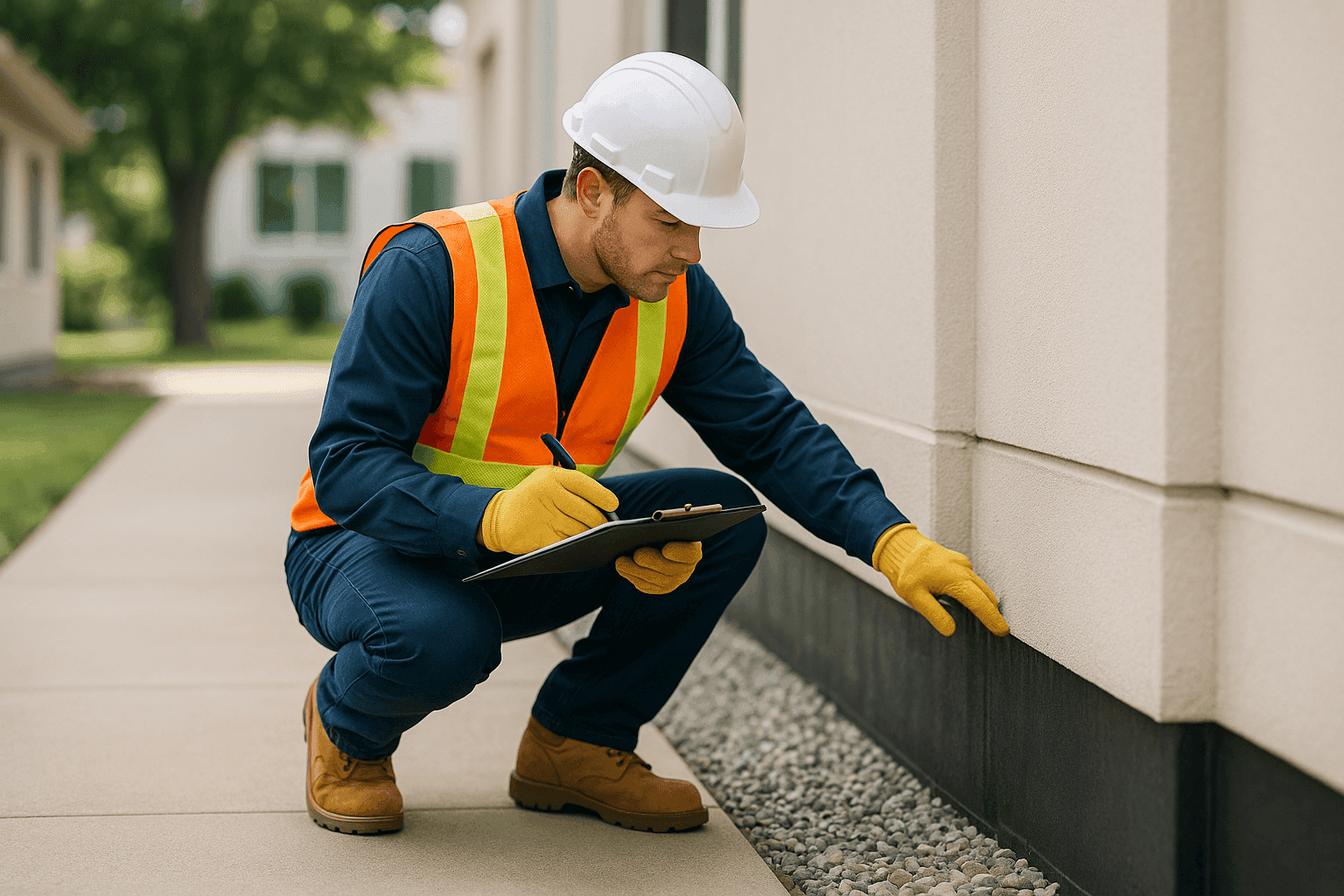
Does your building’s basement smell musty after a heavy rain? Have you noticed new cracks in your foundation, or does water seem to seep in when you least expect it? At A-Action Waterproofing, we know it’s not just about fixing leaks—it’s about stopping them before they start.
Too many home and business owners wait for visible damage before calling for help. But with regular waterproofing maintenance, costly repairs and emergencies become rare. Here’s why keeping your system in shape is one of the smartest investments you can make.
The Importance of Waterproofing Maintenance 🛠️
Think of your waterproofing system like the brakes on your car. If you never check them, you’re rolling the dice. Small problems—like a drip, a loose seal, or a clogged drain—can turn into disasters if ignored.
Routine inspections catch issues early. Qualified technicians look for warning signs that most people miss: hairline cracks, subtle moisture buildup, or failing sump pumps. The earlier these are caught, the cheaper and simpler the fix.
Industry standards from the International Residential Code (IRC) and ASTM International recommend periodic checks for all below-grade spaces. That’s because unchecked leaks often lead to mold, wood rot, and serious structural risk.
Bottom line: Catch problems before they grow. It’s easier—and less expensive—to patch a pinhole than rebuild a wall.
What’s Included in a Maintenance Plan?
A-Action Waterproofing offers maintenance plans that work like a health check-up for your property’s defenses. Here’s what we typically include:
- Comprehensive inspections: Visual checks of basement, foundation, crawl space, and exterior drainage.
- Moisture testing: Using specialized tools to find hidden damp spots.
- Minor repairs: Small crack sealing, touch-up coatings, or tightening sump pump connections.
- Cleaning: Clearing debris from gutters, drains, window wells, and sump basins.
- System testing: Running pumps, checking alarms, and flushing drains to confirm everything works.
- Documentation: Clear reports, with photos and recommendations for any bigger fixes needed.
You get peace of mind—and a roadmap for the future.
How Often Should Inspections Occur? 📅
Maintenance isn’t one-size-fits-all. Frequency depends on your property type, age, and risk factors.
For Residential Waterproofing
- Annually: Most homes benefit from a yearly inspection, especially before rainy seasons.
- Older homes or past issues: Twice a year, or after major storms.
For Commercial Waterproofing
- Twice a year: Spring and fall are best, as changing weather stresses waterproofing systems.
- High-traffic or high-risk sites: Quarterly checks may be wise, especially for large footprints or sensitive inventory.
If you’ve had major work done—like foundation waterproofing or French drain installation—your contractor should advise on the ideal schedule.
Cost vs. Value: Why Maintenance Pays Off 💡
Let’s break it down. Imagine a small, unnoticed crack in your basement wall. Over the months, water sneaks through. At first, it’s just a damp patch. Then, mold blossoms. The wall’s structure weakens. Soon, you’re facing not only the cost of waterproofing repairs, but also mold remediation, damaged flooring, and even lost personal property.
A routine inspection—costing a fraction of a full repair—would have spotted the crack early. A quick seal, and the problem’s solved.
Real-world scenarios:
- Scenario 1: $200 spent on annual maintenance prevents a $6,000 foundation repair.
- Scenario 2: Regular gutter cleaning avoids basement flooding during a storm, saving thousands in restoration.
- Scenario 3: Early detection of sump pump failure keeps your crawl space dry and your air quality healthy.
Maintenance plans are like insurance, but with immediate, visible results.
What Can You Do Yourself?
Some maintenance tasks are homeowner-friendly:
- Keep gutters and downspouts clear of leaves and debris.
- Check for musty odors or visible mold after storms.
- Look for new cracks inside and outside basement walls.
- Make sure grading slopes away from your foundation.
- Test your sump pump every few months by pouring water into the pit.
But for anything beyond these basics—especially if you spot dampness, staining, or suspect a hidden leak—it’s best to call in a pro.
What the Pros Do On Arrival
When you schedule a maintenance visit with A-Action Waterproofing, here’s what to expect:
- Walk-through of all accessible areas, inside and out.
- Use of moisture meters and infrared cameras as needed.
- Inspection of sump pumps, French drains, and vapor barriers.
- Checking for signs of efflorescence, mold, or rust.
- Cleaning and flushing of drainage components.
- Detailed written report, with next steps if repairs are needed.
Our team follows industry best practices, referencing standards like the National Association of Home Builders’ maintenance guidelines.
Prevention & Maintenance: Practical Tips
- Schedule inspections before rainy seasons. This is when systems face their toughest test.
- Fix small issues fast. Don’t wait for cracks to widen or puddles to grow.
- Monitor humidity. Use a hygrometer in your basement or crawl space; ideal is below 60%.
- Keep landscaping trimmed. Roots and debris can clog drains or damage exterior waterproofing.
- Upgrade as needed. Newer materials and systems often outperform older ones—ask your contractor about waterproofing system upgrades.
Costs & Time Factors
- Annual inspections: Usually take 1–2 hours, depending on property size.
- Minor repairs: Often completed during the same visit.
- Maintenance plans: Typically cost less per visit than calling for one-off repairs.
- Emergency visits: More expensive, often requiring after-hours rates and immediate materials.
The time and money you spend on regular maintenance is a fraction of what you’ll pay for major water damage restoration.
When It’s an Emergency
If you notice:
- Rapid water entry (flooding)
- Strong, persistent musty odors
- Large structural cracks appearing suddenly
- Sump pump failure during a storm
Call for emergency waterproofing services right away. Fast response can mean the difference between a quick fix and extensive rebuilding.
FAQ: Waterproofing Maintenance
Q: Can I skip maintenance if I have a new waterproofing system?
A: No. Even new systems need regular checks—soil shifts, weather, and normal wear can all affect performance.
Q: What if I only see a problem during big storms?
A: That’s common, but it means your system is vulnerable. Inspections can pinpoint weak spots before they get worse.
Q: Are maintenance plans required by insurance?
A: Some insurance policies require proof of regular maintenance to pay for water damage claims. Check your policy for details.
Q: What’s the biggest mistake property owners make?
A: Waiting too long to address small issues. Early action is always less expensive.
Local and Seasonal Considerations 🌦️
Every region has unique waterproofing challenges. In areas with heavy spring rains or snowmelt, basements and crawl spaces are especially vulnerable. Properties near rivers or with high water tables need extra vigilance.
Seasonal temperature swings can also cause expansion/contraction cycles, opening new cracks. Scheduling inspections before and after these periods helps catch changes early.
Make Maintenance a Habit
Waterproofing isn’t “set it and forget it.” Like changing the oil in your car or cleaning gutters before fall, regular maintenance keeps problems small and manageable.
A-Action Waterproofing has helped thousands of homeowners and businesses protect their properties, season after season. Our maintenance plans are designed to extend the life of your investment, prevent emergencies, and save you money—year after year.
Call A-Action Waterproofing now — or reach us anytime at 844-484-8564 .