Residential vs. Commercial Waterproofing: Key Differences and Best Practices
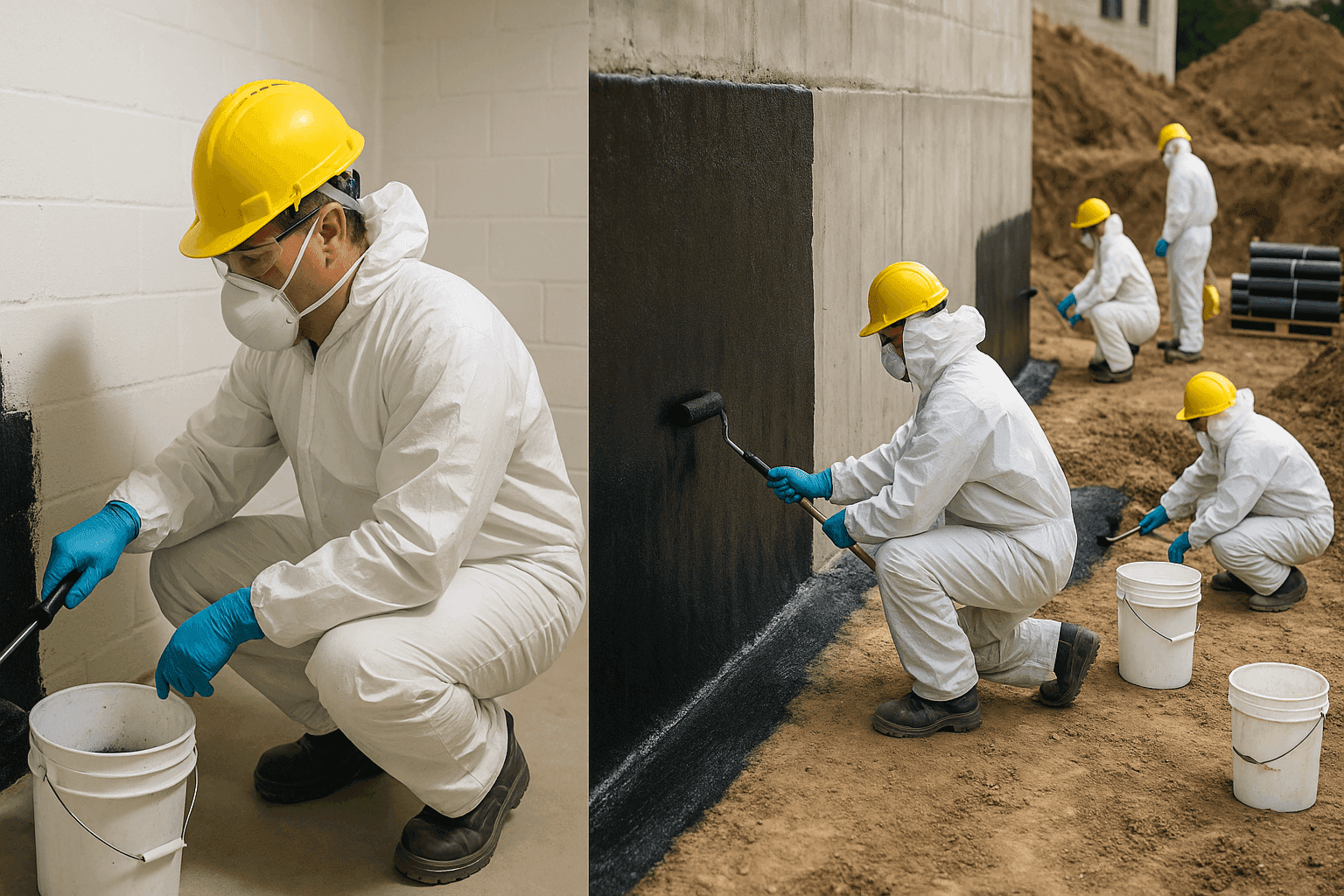
Water can be a silent intruder. Whether you own a family home or manage a sprawling commercial complex, unwanted leaks can disrupt life, damage structures, and create costly headaches. At A-Action Waterproofing, we understand that no two properties—and no two waterproofing solutions—are alike.
Taking steps to protect your property today isn’t just smart. It’s essential. The right waterproofing system design near you means peace of mind, fewer emergencies, and a longer life for your investment.
Understanding Residential vs. Commercial Needs 🏢🏠
Residential and commercial properties might both need to keep water out, but the path to protection looks very different for each.
Residential waterproofing usually involves single-family homes, duplexes, or small multi-family buildings. Challenges often include:
- Basements prone to flooding
- Crawl spaces with poor ventilation
- Foundation cracks from settling or weather
- Older construction with outdated materials
Commercial waterproofing, by contrast, tackles a much wider range of structures—think office towers, schools, hospitals, warehouses, and retail centers. These buildings bring:
- Larger footprints and more complex layouts
- Heavy foot traffic and mechanical systems
- Stricter local building codes and safety regulations
- Multiple stakeholders (owners, tenants, property managers)
In other words, a leaky basement in a house and a leaking parking garage in a mall require very different solutions. The stakes—and the strategies—aren’t the same.
Key Differences
- Size & Scope: Commercial jobs are bigger, with more systems to coordinate.
- Materials: Commercial sites often need industrial-grade products.
- Codes & Compliance: Commercial projects must follow stricter standards, such as those set by the International Building Code (IBC) and local regulations.
- Access: Homes are more straightforward. Commercial sites might have restricted hours, security needs, or specialty equipment.
Common Waterproofing Systems for Each
Choosing the right system is like picking the right tool for the job. You wouldn’t use a paintbrush to dig a trench—and you wouldn’t use the same waterproofing method for a skyscraper as you would for a bungalow.
Residential Waterproofing
For homes, the most common solutions include:
- Interior waterproofing: Sump pump installation, vapor barriers, and drainage systems to keep basements dry.
- Exterior waterproofing: Sealing and coating foundations, installing French drains, and grading soil to direct water away.
- Crack repair: Epoxy or polyurethane injections to seal foundation gaps.
- Crawl space encapsulation: Moisture barriers and ventilation.
Routine maintenance—like gutter cleaning and timely repairs—keeps these systems working year-round.
Commercial Waterproofing
On the commercial side, systems are usually more robust:
- Membrane systems: Heavy-duty waterproof membranes applied to roofs, foundations, and below-grade walls.
- Drainage boards: Directing water away from the structure’s base.
- Moisture barriers: Industrial-grade products for complex sites.
- Project management: Coordinating large crews, safety protocols, and tight deadlines.
Maintenance is often scheduled, documented, and tied to warranty compliance.
Tip: Always ensure products meet standards from organizations like ASTM International or the National Roofing Contractors Association (NRCA).
Choosing the Right Contractor
Selecting a waterproofing contractor is a bit like hiring a pilot. You want someone who knows the lay of the land—and how to handle turbulence.
What to Look For
- Credentials: Proper licensing and certifications. For commercial work, OSHA safety training is a must.
- Experience: Ask about past projects similar to yours. Residential or commercial, each has its own learning curve.
- Insurance: Demand proof of liability and workers’ compensation.
- References: Reliable contractors can provide references from recent jobs.
- Transparent cost estimation: Detailed, written proposals with clear scopes of work.
A-Action Waterproofing recommends always checking for membership in professional groups like the Basement Health Association or local builders’ associations. These memberships show a commitment to ongoing education and ethical business practices.
Best Practices for Both Property Types
No matter the property, some habits set up waterproofing projects for success.
Documentation
- Keep all inspection reports and maintenance records. They’re your property’s medical history.
- Take photos before, during, and after work.
Warranties
- Understand what’s covered and for how long.
- Get all warranty terms in writing.
Compliance
- Ensure your contractor follows all applicable building codes.
- For commercial sites, review fire, electrical, and ADA requirements before work begins.
Long-Term Planning
- Schedule regular inspections—ideally before rainy seasons or freeze-thaw cycles.
- Consider maintenance plans that include gutter cleaning, sump pump testing, and foundation checks.
- Budget for future upgrades as materials and technologies improve.
Pro tip: Mold prevention starts with moisture control. The Environmental Protection Agency (EPA) recommends keeping indoor spaces dry and ventilated to prevent mold growth.
Practical Tips: Protect Your Investment
- Install gutters and direct downspouts at least six feet from your foundation.
- Seal all exterior cracks promptly.
- Insulate pipes to prevent condensation and leaks.
- For commercial properties, train staff to spot early signs of water intrusion.
Frequently Asked Questions
What’s the most common cause of basement leaks in homes?
Hydrostatic pressure from groundwater is a main culprit. When soil around your foundation becomes saturated, water pushes through cracks and joints.
How often should a commercial property be inspected for waterproofing issues?
At least once per year, or after major storms. Facilities with underground parking or complex roofing may need more frequent checks.
Do waterproofing systems add value to a property?
Yes. A dry basement or sound foundation is attractive to buyers and tenants. Documented waterproofing work can also simplify insurance claims.
Local and Seasonal Considerations 🌦️
Climate and geography matter. In wetter regions, exterior waterproofing is a must. Properties near rivers or floodplains need extra protection—think sump pumps and backup power.
In areas with freeze-thaw cycles, expansion and contraction can crack foundations. Schedule inspections before winter and after heavy spring rains.
For commercial sites, coordinate work with seasonal business cycles to minimize disruption.
When It’s an Emergency
Water intrusion doesn’t wait for business hours. If you experience flooding, foundation leaks, or sudden mold growth, call for emergency waterproofing services right away. Quick action limits damage and keeps occupants safe.
Conclusion
Waterproofing isn’t just about stopping leaks—it’s about safeguarding your investment and your peace of mind, whether you’re protecting your family home or a busy commercial property. Choosing the right contractor and following best practices means you’re prepared for whatever the weather brings.
Call A-Action Waterproofing now — or reach us anytime at 844-484-8564 .