Basement Waterproofing 101: Protecting Your Home from Water Damage
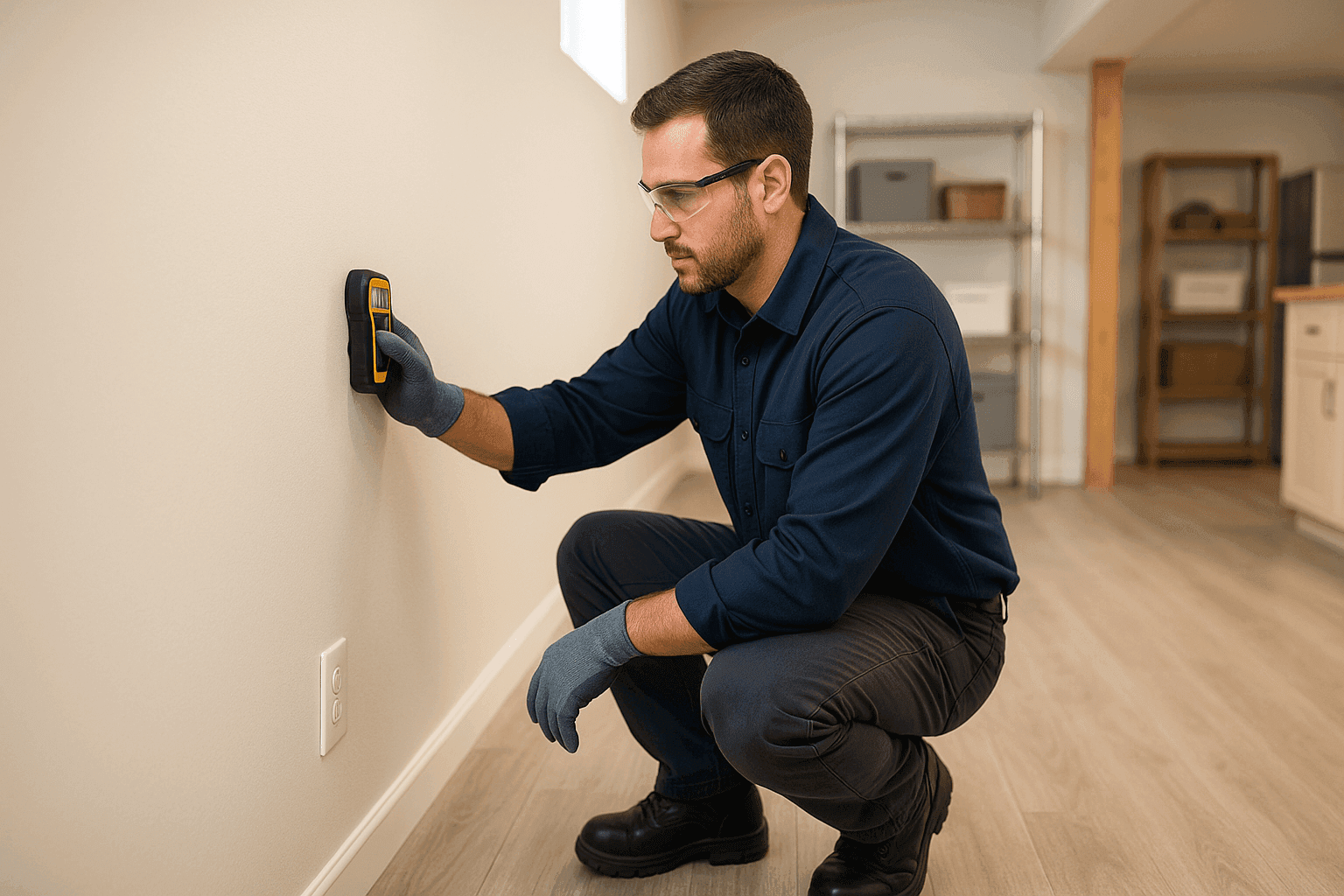
Basement water trouble can sneak up on anyone. One day your basement seems fine—the next, you smell something earthy, see a chalky white stain, or step on a damp rug. Water in your basement isn’t just a nuisance. It can spell real trouble for your home, your health, and your wallet.
At A-Action Waterproofing, we know the headaches water damage causes. We’ve helped countless homeowners and businesses spot problems early and protect their most valuable spaces. Here’s what you need to know to keep your basement dry, safe, and ready for anything.
Why Basements Are Prone to Moisture—and Why It Matters 🏠
Basements are like the hull of a ship: built to hold back a sea of earth and water. But even the strongest hull has weak spots. Groundwater, heavy rain, and melting snow all try to find their way inside. When they succeed, the risks grow quickly:
- Mold and mildew: These thrive in damp, dark places, leading to musty odors and health problems.
- Structural damage: Water erodes concrete, rusts metal supports, and warps wood frames.
- Decreased property value: Persistent dampness or visible damage can turn away buyers.
- Pest infestations: Damp basements attract bugs and rodents looking for water.
Ignoring the warning signs is like ignoring a leaky roof: the problem only gets bigger, messier, and more expensive the longer you wait.
The Main Culprits: What Causes Basement Water Problems?
Several factors can open the door to water in your basement:
- Poor exterior drainage: Gutters clogged with leaves, downspouts dumping water near your foundation, and improperly sloped landscaping funnel water right where you don’t want it.
- Foundation cracks: Even hairline splits let water slip inside, especially during heavy rain.
- Hydrostatic pressure: After storms, the soil around your home swells with water, pushing against the foundation walls.
- Leaky pipes or appliances: Not all water problems start outside.
- Old or missing waterproofing systems: Over time, materials break down and lose their effectiveness.
Quick Basement Safety Checklist
Before you start poking around your basement, keep safety in mind. Here’s a quick checklist:
- Check for standing water—if you find any, avoid electrical outlets and call a professional.
- Wear protective gear (gloves, mask) if you suspect mold.
- Look for visible cracks, stains, or efflorescence (white powdery residue).
- Inspect windows and doors for leaks or broken seals.
- Make sure sump pumps (if you have them) are plugged in and working.
- Never ignore strange smells—mustiness often means hidden moisture or mold.
Following safety protocols from organizations like the International Code Council (ICC) and the Environmental Protection Agency (EPA) helps keep both you and your property safe.
DIY Fixes vs. When to Call a Pro
Not every basement water issue needs a full crew and a backhoe. Sometimes, a little elbow grease goes a long way. Other times, you need trained hands and specialized tools.
Simple DIY Steps
- Seal minor cracks: Use a masonry sealant to patch small, non-structural cracks.
- Clean gutters and downspouts: Make sure water flows away from your foundation.
- Check grading: Landscaping should slope away from your home by at least six inches over ten feet.
- Install downspout extensions: Direct water at least five feet from your home.
When to Call in the Pros
If you spot any of these, it’s time to reach out to a waterproofing contractor:
- Recurring leaks or standing water after rain.
- Large or spreading cracks in floors or walls.
- Bowed or bulging walls.
- Signs of mold growth that keep coming back.
- Sump pump failure or frequent power outages.
- Persistent dampness despite your best DIY efforts.
A-Action Waterproofing offers everything from Waterproofing System Design near you to 24/7 emergency repairs, so you’re never left guessing what’s next.
What Happens When Pros Arrive?
A professional visit isn’t just about patching holes. It’s about understanding the whole story your basement is telling.
Here’s What to Expect
- Thorough inspection: Inside and out, checking for hidden leaks, drainage issues, and signs of long-term damage.
- Moisture mapping: Using moisture meters and thermal cameras to find trouble spots beneath the surface.
- Material selection: Choosing the right waterproofing solutions for your foundation type, climate, and needs.
- Explaining your options: From interior systems (like vapor barriers and sump pumps) to exterior waterproofing, French drains, and grading solutions.
- Clear project plan: Detailed timeline, cost estimation, and warranty information—no confusing fine print.
Our process follows industry standards set by groups like the Basement Health Association and ASTM International, ensuring your project is handled with care and precision.
Prevention & Maintenance: Keeping Water Out for Good 🛡️
Think of waterproofing as a shield—not a one-time fix, but an ongoing defense.
Essential Maintenance Steps
- Annual inspections: Catch small problems before they balloon into disasters.
- Gutter cleaning: Twice a year, or more often if you have heavy tree cover.
- Check sump pumps: Test them before the rainy season.
- Seal and coat: Reapply waterproof sealants every few years or as recommended.
- Watch for warning signs: Any new stains, smells, or cracks mean it’s time for a closer look.
Maintenance plans from A-Action Waterproofing are tailored to your property’s needs, helping you avoid surprise repairs and costly emergencies.
Waterproofing Solutions: Interior, Exterior, and Everything In Between
There’s no “one-size-fits-all” answer. The right solution depends on your home, your soil, and your budget.
Interior Waterproofing
- Sealants: Quick, effective for minor leaks.
- Vapor barriers: Block moisture from seeping through walls and floors.
- Sump pumps: Automatically remove water before it collects.
- Interior drainage systems: Channel water to your sump pump.
Exterior Waterproofing
- Excavation and membrane installation: Protects the outside of your foundation.
- French drains: Underground pipes carry water away from your home.
- Grading and landscaping: Direct surface water away from vulnerable spots.
- Gutter installation and repair: Keep water moving where it belongs.
Specialty Solutions
- Crawl space encapsulation: Keeps crawl spaces dry and mold-free.
- Crack repair: Professional injection and patching for stubborn leaks.
- Mold prevention: Treatments to stop growth before it starts.
- Damp proofing: Extra protection for humid climates.
Whatever your challenge, there’s a mix of options designed to fit your property.
Costs & Time Factors: What to Expect
Waterproofing isn’t a one-price-fits-all job. Costs vary depending on:
- Severity of the problem: Minor repairs cost less than major structural fixes.
- Size of the area: Bigger spaces need more materials and labor.
- Type of foundation: Concrete, stone, and block have different needs.
- Chosen solution: Interior systems are usually quicker; exterior solutions take longer but last longer.
A typical inspection and minor repair might take a few hours. Full-scale exterior waterproofing can take several days or more. At A-Action Waterproofing, we provide transparent cost estimations and realistic timelines before work begins.
When It’s an Emergency: Acting Fast
Some situations can’t wait:
- Flooding after storms.
- Sudden foundation cracks.
- Power outage with a failed sump pump.
- Sewage backup.
If water is flowing in, turn off electricity to the affected area if safe, then call for emergency waterproofing services right away. Quick action can prevent severe damage and protect your health.
FAQ: Basement Waterproofing Answers
Q: How often should I inspect my basement for water problems?
A: At least twice a year—spring and fall are ideal. After heavy storms, do a quick check for new leaks or dampness.
Q: Are DIY waterproofing kits effective?
A: They work for small, surface-level cracks but won’t solve serious problems. For anything more than minor seepage, professional assessment is best.
Q: Will waterproofing fix existing mold issues?
A: Waterproofing prevents new problems, but active mold needs to be remediated first for safety.
Q: How do I know if I need interior or exterior waterproofing?
A: It depends on the source and severity of your water problem. A professional inspection can help identify the right solution.
Local and Seasonal Considerations 🌧️
Climate matters. Spring thaws, summer storms, and autumn leaf fall can each bring unique challenges. In areas prone to heavy rain or snowmelt, routine maintenance and pre-season inspections are especially important.
- After winter: Check for cracks caused by freeze-thaw cycles.
- Before rainy season: Test sump pumps and clear drainage paths.
- During dry spells: Inspect for hidden damage that’s easier to spot when surfaces are dry.
Keeping up with seasonal care is one of the best ways to avoid surprise repairs and emergency calls.
Keeping your basement dry is more than a project—it’s peace of mind. When you’re ready for smart, straightforward waterproofing solutions, Call A-Action Waterproofing now — or reach us anytime at 844-484-8564 .